A healing harmony: Music therapy & premies
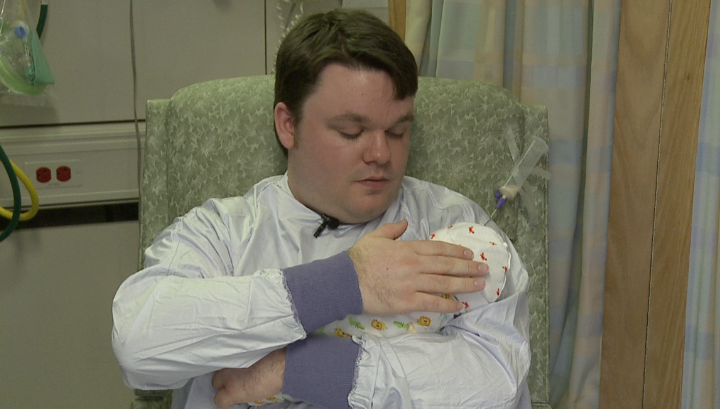
JACKSON, Tenn. — For ages, mothers have sung to their babies to quiet their cries and lull them to sleep. That maternal instinct is proving more than just calming. Music therapists say research shows music combined with touch can heal. For the past year, the STAR Center and West Tennessee Healthcare have combined forces to bring music therapy to patients of Ayers Children’s Medical Center. STAR Center music therapist Joseph McFarland volunteers his expertise to help children of all ages at Jackson-Madison County General Hospital. His most hands-on work can be seen with the therapy he uses to help infants born prematurely. They are cared for in the Neonatal Intensive Care Unit, or NICU. Premies, as they are known, are some of the most fragile or “sensitive” patients in the hospital. Light hurts their eyes, and the slightest sound can actually damage their development. “There is research that shows that if a baby startles, it does interrupt their neurological development,” McFarland said. Even touching a premature baby can be painful for them. The reason — they are still supposed to be in the womb. Getting them comfortable in their skin and in the world around them is where music therapy is used. Child Life Specialist Rachel Ryan attests to the successes of the program. “It’s just a fraction of their care,” she said. “But it’s an important part of their care and their development.” For premies, McFarland follows a regimented protocol called multimodal stimulation. The therapy begins with just holding the baby for about a minute. Just moving an infant from the crib can significantly raise heart rates. The actual music therapy begins with humming. McFarland uses a falsetto to mimic mom’s voice, which research shows is more calming. He watches the infant closely to make sure the child is receptive. “Babies will give us signs to tell us the baby is overstimulated,” he said. The sign from the baby is often a “halt hand.” It is a simple gesture by the baby where he extends the hand outward. “Our protocol says we are to pause for 15 seconds and to wait to see if the baby goes back to a relaxed state,” McFarland said. “Then we can continue.” The humming eventually graduates to singing. With the words of the song, the therapist adds the massage. It is a gentle but firm touch that begins at the head and extends down the body. This helps the premie acclimate to a loud sound and more touch. “Hopefully they’re paying attention to the music and not the massage that we’re giving them,” McFarland said. If the baby gives several “halt hands” or other signs of discomfort, the therapist is to stop. Music therapy can be tried another time. However, McFarland said in most of the cases he has experienced, during the therapy session the baby’s heart rate slows, oxygen saturation levels increase and respiratory rates steady. NICU staff believe it works. “We have seen that sometimes it takes more than just medicine to heal,” Ryan said. Since McFarland is only able to volunteer limited time to the NICU, he likes to teach parents how to safely perform this type of therapy on their own child. There is also a specific music therapy used on infants going through withdrawal because their mothers took drugs. McFarland said it involves meeting the child where he or she is. It often includes sways and louder singing that are gradually slowed and quieted to bring the child to a calmer state. At Jackson-Madison County General Hospital, music therapists also work in the pediatrics unit where instruments are often used. To learn more about music therapy offered through the STAR Center, visit www.star-center.org/therapy or call 731-668-3888.