Should Facebook posts be protected by free speech?
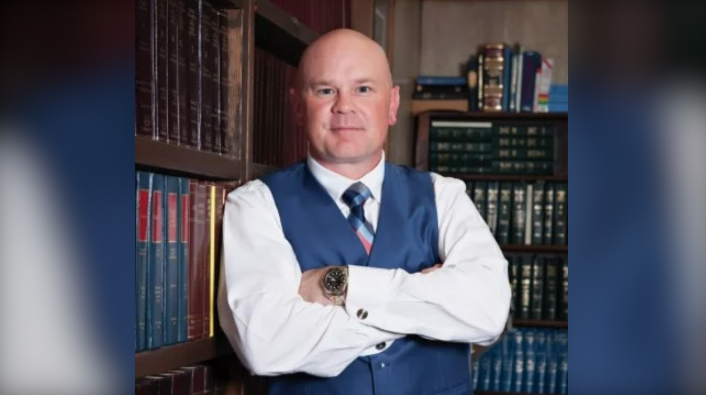
DOWNTOWN JACKSON, Tenn. — An aide to a West Tennessee congressman resigned after making critical comments on Facebook about President Obama’s teenage daughters. Should Fincher’s aide Elizabeth Lauten’s comments posted on Facebook be protected by free speech? The U.S. Supreme Court debated Monday where to draw the line when it comes to postings on social media sites. West Tennesseans weigh in on whether postings on Facebook and other social media sites should be protected free speech or be punishable by law. “Free speech, yes, but you need to be aware that people are going to be reading what you post,” Susan Bryant said. “I think it should be taken seriously, and it’s not just term of free speech just like you can’t make a death threat to someone’s face, you can’t make a threat online,” Lizzy McKnight said. Attorney Daniel Taylor said free speech protection online is really no different from protections in a face-to-face conversation. “You can make any comments, but when it goes to the extent that you make threats that a reasonable person would think is threats, then that’s when the line is crossed,” Taylor said. Taylor said what is up for debate is what really constitutes an online threat. “When you make a threat that’s what elevates it, and just because it’s Facebook, does that really mean you’re absolved of all responsibility?” Taylor said employees need to anticipate what they post will reflect back on them and their bosses. “You don’t have the right to do unbridled things just because it’s social networking,” Taylor said. Taylor said people have the freedom of speech to post what they want on social media but that it does not have to be a crime to have consequences. “Where you draw the line what’s appropriate, you know, those are things that are a matter of opinion,” Taylor said. McKnight said people need to think twice before clicking post. “I think people really need to keep in mind that it’s social media. Everyone in society can see it, what you post is there for forever, so you really need to think twice before you just post something,” McKnight said. The Supreme Court case is of a Pennsylvania man convicted of making threats against his ex-wife and the FBI. The man claimed his writings were therapeutic and not to frighten anyone. The Supreme Court has said true threats are not protected under the First Amendment. What is not clear is whether prosecutors must prove if an angry Facebook poster intended to make a threat or if a reasonable person would see it as threatening violence.