CDC: This year’s flu shot may not protect you
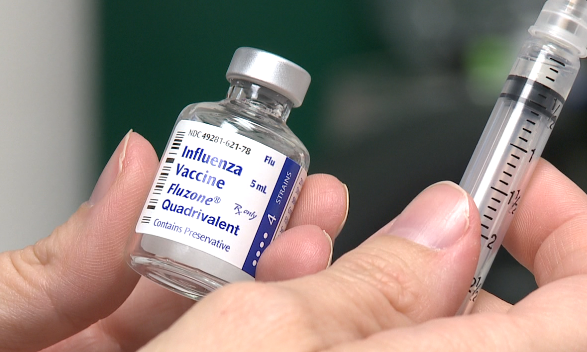
JACKSON, Tenn. — If you received your flu shot this year it may not keep you well after all. The U.S. Centers for Disease Control has announced the vaccine may not protect against the most common strain of the flu seen right now. Health experts are still urging everyone to get vaccinated. They said while one of the four strains is not part of this year’s shot getting it can still keep you well. Regina Walden said she has rheumatoid arthritis and her medicine increases her chances of getting the flu. Walden said hearing this news makes her nervous. “If I were to get the flu it would really make me sick and I could wind up in the hospital.” Health officials said the main strain circulating can cause more severe illness than usual and this year’s vaccine may not protect you like you might expect. “Unfortunately that predominant strain that Is showing up so far is that one that the mutation or the drift has shown up in,” said Wayne Arnold with the Jackson-Madison County Health Department. Arnold said flu season can be unpredictable. “Mutations happen all the time but this year it kind of snuck up on them. It doesn’t provide quite the protection they expected it to have.” Arnold is urging people to still get the shot because it can lessen your symptoms. “Even if you’re not protected you’re probably still not going to get as sick if you’ve received your flu vaccination,” Arnold said. WBBJ 7 Eyewitness News spoke with West Tennesseans who were on split on whether the shot is still needed. “It kind of just seems like it’s irrelevant to actually take it if it’s not going to protect you,” Pat Hill said. “It’s always a guess there’s no way to know for sure and so I take the flu shot every year regardless of whether they get it right or not,” Dr. Mike Revelle said. Arnold said lessening the risk of serious illness far outweighs not getting the shot. The CDC said it is too late to make new flu vaccines for the current flu season that could better protect against the virus. CDC Director Tom Frieden said making a new vaccine takes four months.