Sugar cane aphids attack milo and sorghum fields
[gtxvideo vid=”u6SkqiS9″ playlist=”” pid=”OTSe9U1y” thumb=”http://player.gtxcel.com/thumbs/u6SkqiS9.jpg” vtitle=”Bugs Invading Crops PKG”]
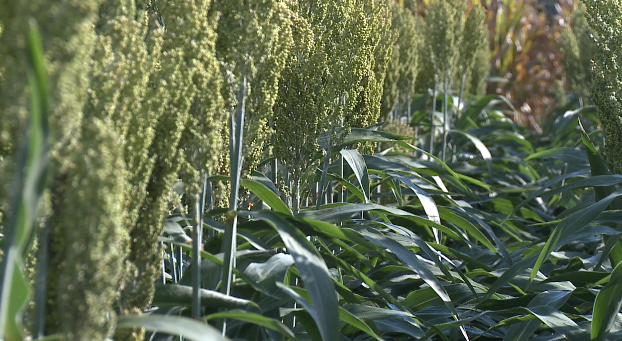
MADISON COUNTY, Tenn. — A new pest is invading West Tennessee and farmers said it could halt their harvest or even kill some crops all together. “I’m sure our sorghum acres will go up and down but I think this pest is here to stay,” said Scott Stewart the UT Extension entomology professor. These tiny insects are called sugar cane aphids have started to swarm the milo, or sorghum fields of West Tennessee. “The main concern is we have a new pest that we’re having to spray pesticides for and they are causing significant yield loss in sorghum fields.” Farmers said the sugar cane aphid began infesting their crops about three years ago. However, this year may be the worst farmer have seen due to the hot and dry weather we have had this season. “It’s hot environments, they like the heat. I think a lot of the times if you have a thicker canopy more moisture it doesn’t do well as what we’re seeing. A little bit wider rows will have more problems,” said Stewart. Experts said if these invaders are not controlled early enough it becomes expensive to treat the fields. “If you can plant your milo earlier your less likely to encounter infestations. If you don’t have to make a disruptive pesticide application that kill off beneficial insects, that’ll go a long way,” said Stewart. Brad Tinsley a milo farmer said, “our milo was early enough that its safe from making a yield and now it’s the harvest issues that we’re try to protect.” The aphids suck the sugar water out of the plants and leave behind a sticky film on the leaves and that film can cause problems during harvest. “The combines will just clog right up and you can’t harvest the crop so we’ve been kinda watching it and we’re more proactive when it comes to spraying for pests,” said Tinsley. There are limited pesticides available to treat aphids so contact your local agriculture agent to determine the best form of action against the invaders. If crop yields are low, growers said that could impact the cost to ranchers who use the sorghum as a food source for their animals.