State’s first case of West Nile confirmed
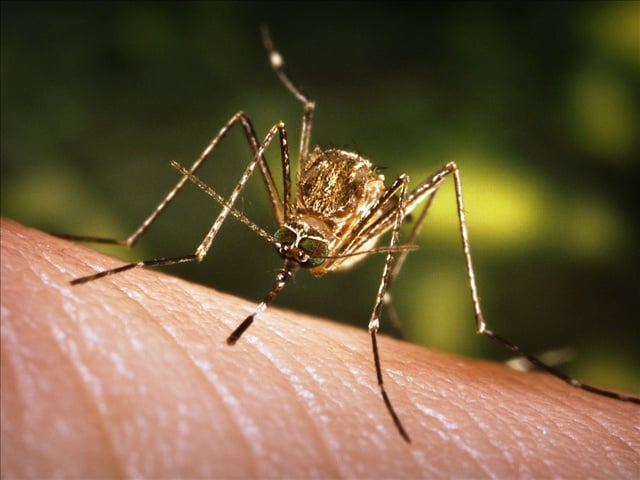
NASHVILLE, Tenn. – The Tennessee Department of Health has confirmed the state’s first human case of West Nile virus for 2014. The case involved a person in Shelby County who is now recovering. Mosquito populations in Tennessee are at their peak May through October. There is no human vaccine for West Nile; therefore, Tennesseans are urged to take preventive measures to avoid being bitten. The following tips will help reduce the risk of West Nile infection: “¢ Use insect repellants on your skin. “¢ Certain products containing permethrin are recommended for use on clothing, shoes, bed nets and camping gear. Permethrin-treated clothing repels and kills mosquitoes and other pests and retains this effect after repeated laundering. Permethrin is not to be used directly on skin. “¢ Do not use perfume, cologne or other scented products such as deodorant, soap or lotion if you‘re going outside, as fragrances may attract mosquitoes. “¢ Remember “long, loose and light” when choosing clothes to wear outdoors. “¢ Eliminate standing water near your home, which can serve as a breeding ground for mosquitoes. “¢ Keep wading pools empty when not in use and store them on their sides. “¢ Keep windows and doors closed or cover with screens to prevent mosquitoes from entering your home. In 2013, Tennessee had 24 human cases of West Nile virus, including three that resulted in death. Mosquitoes become infected with West Nile by feeding on infected birds. The virus can then be transmitted through their bites. Most human infections are either asymptomatic or mild. Symptoms may include fever, head and body aches, and usually last only a few days. The virus cannot be spread from one person to another. West Nile can cause severe infections, which occur in less than one percent of human cases. These severe infections may cause meningitis or encephalitis and result in high fever, neck stiffness, stupor or disorientation. Severe cases may also cause muscle weakness or paralysis. Horses can also be infected with West Nile virus. Tennessee had four confirmed cases in horses in 2013. Horse owners should be sure their animals are current on vaccinations. For more information on West Nile virus, visit the Tennessee Department of Health website at http://health.state.tn.us/ceds/WNV/wnvhome.asp.